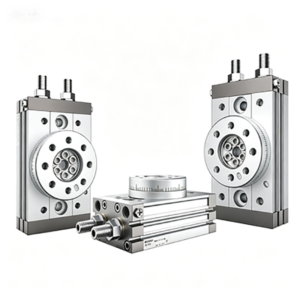
Corrosion Resistant Cylinders for Harsh Environments.
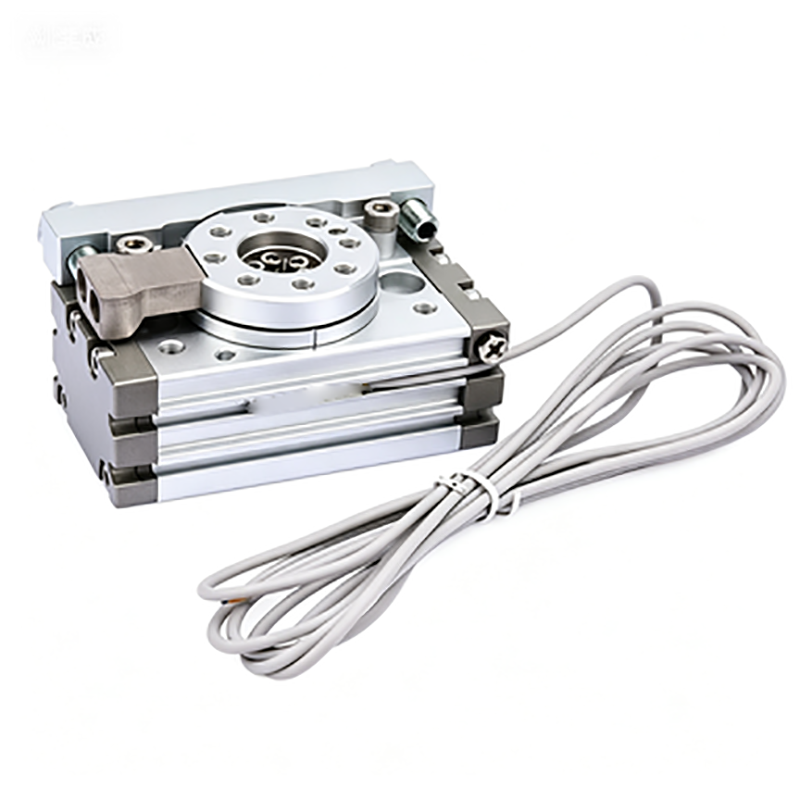
Explore corrosion resistant cylinders for harsh environments. Learn how stainless steel and advanced coatings protect pneumatic actuators in demanding industrial applications.
Want to learn more about our products? Click here!
Introduction
Corrosion is a major problem in industrial automation. It damages cylinder components, causes leaks, and leads to machine downtime. Standard pneumatic cylinders cannot handle corrosive environments. Corrosion resistant cylinders offer a solution. Specifically, they use stainless steel construction and advanced coatings to resist rust and chemical attack . If your equipment operates in washdown areas, coastal locations, or chemical processing plants, corrosion resistant cylinders provide reliable performance.
Materials That Resist Corrosion
Corrosion resistant cylinders use several materials to withstand harsh conditions. First, AISI 304 stainless steel is widely used for cylinders in food processing and marine applications . Second, AISI 316 stainless steel offers even better corrosion resistance for demanding washdown environments . Third, advanced coatings like nickel plating and hard chrome protect cylinder surfaces from corrosion . Some cylinders use anodized aluminum heads with chemical nickel-plated screws for medium corrosion resistance. These material choices ensure long service life in aggressive environments.
Key Features of Corrosion Resistant Cylinders
Corrosion resistant cylinder incorporate several features for harsh conditions. First, they use stainless steel piston rods that resist pitting and scoring . Second, they feature special seals like NBR or FKM rubber that withstand chemical exposure . Third, many models include NSF-H1 certified grease, making them suitable for food processing applications. Fourth, they offer multiple mounting options for easy installation . Fifth, some designs eliminate tie rods to reduce crevices where corrosion can start. These features make corrosion resistant cylinder ideal for demanding applications.
Common Applications
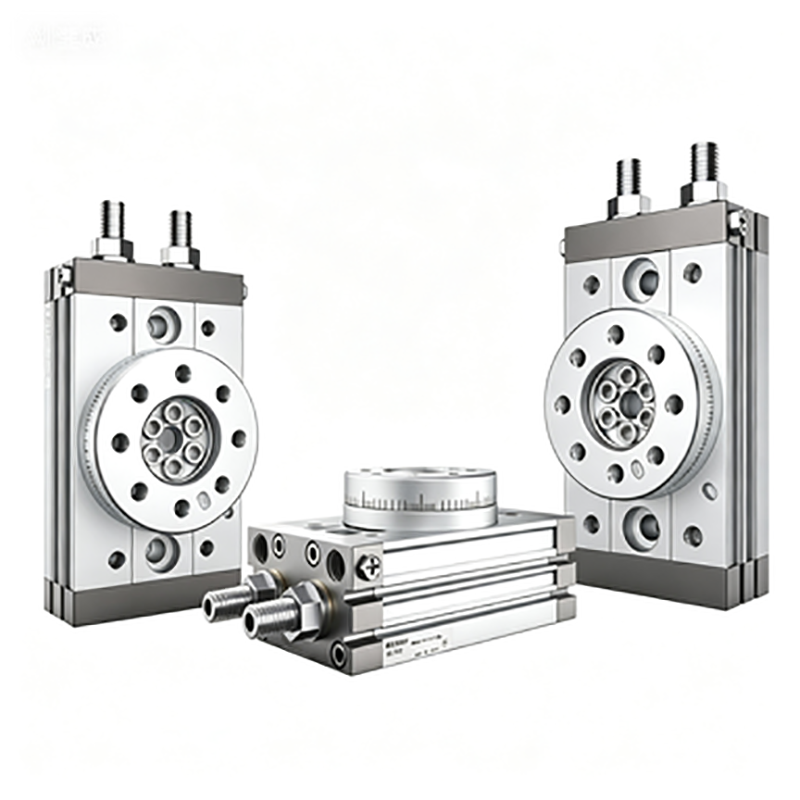
Corrosion resistant cylinder serve many industries across diverse sectors. The food processing industry relies on them to withstand frequent washdowns with cleaning chemicals. Pharmaceutical manufacturing also depends on these cylinders for reliable operation in sterile environments. Marine and offshore applications present another key area where they resist saltwater corrosion effectively. Chemical plants use them to handle corrosive atmospheres safely. Semiconductor manufacturing benefits from their ability to operate in cleanroom conditions. Ultimately, any application exposed to moisture, chemicals, or salt spray can gain significant advantages from corrosion resistant cylinder.
Selecting the Right Corrosion Resistant Cylinder
Choosing the right corrosion resistant cylinder requires careful evaluation. First, assess the corrosion level of your environment. For mild exposure, anodized aluminum with nickel-plated hardware may suffice . For severe exposure, choose full stainless steel construction . Next, consider the required material grade. AISI 304 works for most applications, while AISI 316 offers superior protection . Evaluate the seal material needed for chemical compatibility. Consider the temperature range and pressure requirements. Also, check if NSF-H1 grease is required for food applications.
Conclusion
Corrosion resistant cylinders provide reliable pneumatic actuation in harsh industrial environments. Their stainless steel construction, advanced coatings, and specialized seals protect against rust and chemical attack. When standard cylinders fail due to corrosion, corrosion resistant cylinders deliver the durability you need. By selecting the right material grade and features for your application, you can extend equipment life and reduce maintenance costs.
Tex/Fax: 0086-577-62840011
WhatsApp: 0086-13355775769
corrosion resistant cylinders
harsh environments
stainless steel cylinders
washdown applications
AISI 304
AISI 316
food processing
NSF-H1 grease
pneumatic actuators
industrial automation