Choose a Good Cylinder – Smart Buyer’s Guide.
Learning how to choose a good cylinder saves time and money. Check the load, stroke, and mounting before you buy.
Want to learn more about our products? Click here!
How to Choose a Good Cylinder: What Really Matters
A cylinder looks simple. Air goes in, a rod moves out, and the load follows. But walk through any supplier’s catalog, and you’ll see hundreds of models. Bore sizes, stroke lengths, mounting styles, seal materials—the list goes on. So how do you choose a good cylinder without overthinking it? Focus on three things: the load, the stroke, and the mounting. Get those right, and the rest falls into place.
Match the Cylinder to the Load
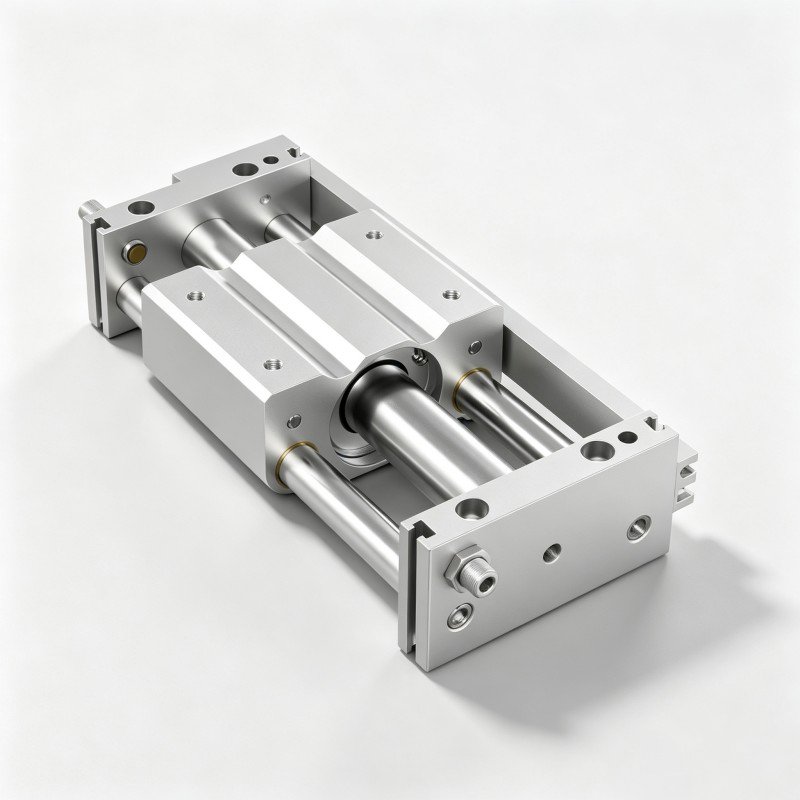
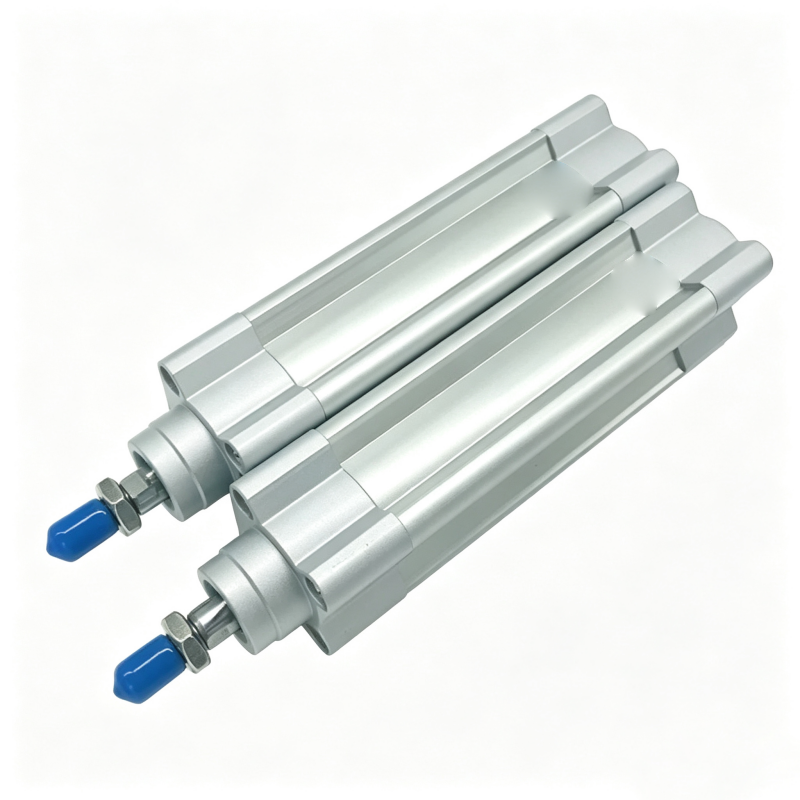
First, think about what the cylinder must move. A light clamping job needs a small bore and low force. A heavy lift demands a larger bore and higher pressure. Check the required thrust and compare it to the cylinder’s force at your working pressure. In addition, consider side loads. A standard cylinder handles axial force well, but a guided or rodless type suits jobs where the load sits off-center. Choosing a good cylinder starts with knowing your actual force and motion needs, not guessing.
Match the Cylinder to the Stroke
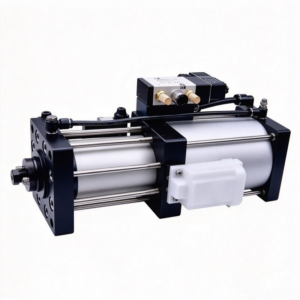
Next, look at stroke length. A short stroke works for clamping and ejecting. A long stroke suits lifting, transferring, and sliding doors. If the stroke runs long, a rodless cylinder often fits better, since it saves space and avoids rod sag. Also check the end cushioning. Adjustable cushions soften the stop and cut noise, which matters on fast cycles. And if the cylinder runs at high speed, look for a model with a built-in shock absorber.
Match the Cylinder to the Mounting
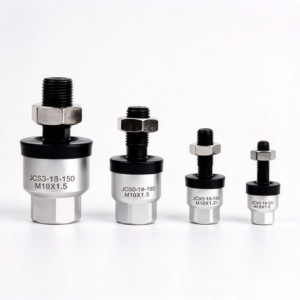
Finally, think about how the cylinder attaches. Flange, foot, trunnion, and clevis mounts each suit different motion paths. A fixed mount works for straight pushing, while a pivoting mount handles an arc. In addition, check the port size, the seal material, and the environment. Dusty or wet areas call for a sealed or stainless model. High heat needs special seals. These details decide whether the cylinder lasts or fails early.

Why It Pays to Choose Carefully
In short, choosing a good cylinder comes down to load, stroke, and mounting. Nail those three, and you get reliable motion with fewer replacements. If you’re unsure which type fits, talk to a supplier. They can help you match the bore, stroke, and mount to your exact needs.
Tex/Fax: 0086-577-62840011
WhatsApp: 0086-13355775769
- choose a good cylinder
- cylinder selection
- mounting