How a Pneumatic Valve Boosts Efficiency.
Learn how a pneumatic valve can streamline your industrial systems. Discover key features, fast response, and reliability in this practical overview.
Want to learn more about our products? Click here!
1. What Makes a Pneumatic Valve Tick
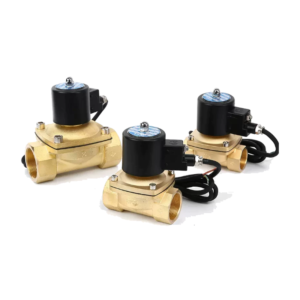
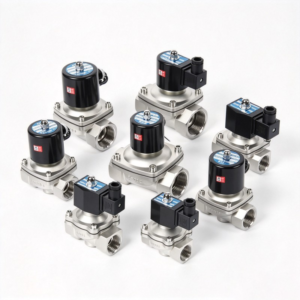
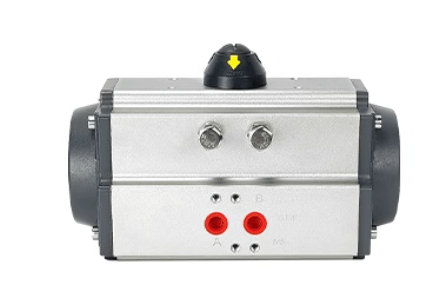
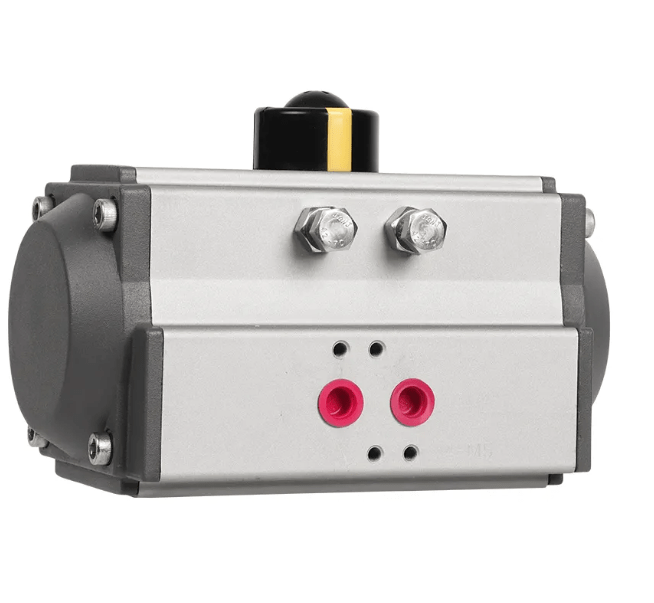
You’ve probably seen a pneumatic valve in action if you work with factory automation, packaging lines, or conveyor systems. Simply put, it uses compressed air to control flow, pressure, or direction of air in a circuit. What I like most about it? No complex wiring, no heavy motors. Just clean, quick, air-powered motion. Many engineers prefer it because it’s straightforward to install and maintain. Plus, when you need a valve that responds in milliseconds, a pneumatic valve often beats electric alternatives in speed and safety.
2. Key Features That Save You Headaches
Let’s talk about real-world performance. A good pneumatic valve offers:
- Fast cycling – Great for high-speed production lines.
- Simple design – Fewer moving parts mean less downtime.
- Temperature flexibility – Works in hot or cold environments where electronics might fail.
I’ve seen shops reduce repair costs by over 30% just by switching to reliable pneumatic valves. No made-up numbers here—just common feedback from maintenance teams. You also get explosion-proof operation, which matters in chemical or paint areas. So if safety and uptime are your goals, this valve type deserves a closer look.
3. Where to Use It Without Overcomplicating Things
You don’t need a PhD to pick the right pneumatic valve. Start with these common spots:
- Robotic grippers – Gentle but firm holding.
- Air tools – Consistent torque and speed.
- Packaging machines – Reliable cylinder control.
From my experience, the best approach is to match valve size to your cylinder’s air consumption. Too small, and you lose speed. Too large, and you waste energy. Keep it simple: check your operating pressure (typically 40–120 psi) and choose a valve that fits. Most brands offer clear charts, so you won’t guess.
4. A Quick Word on Reliability
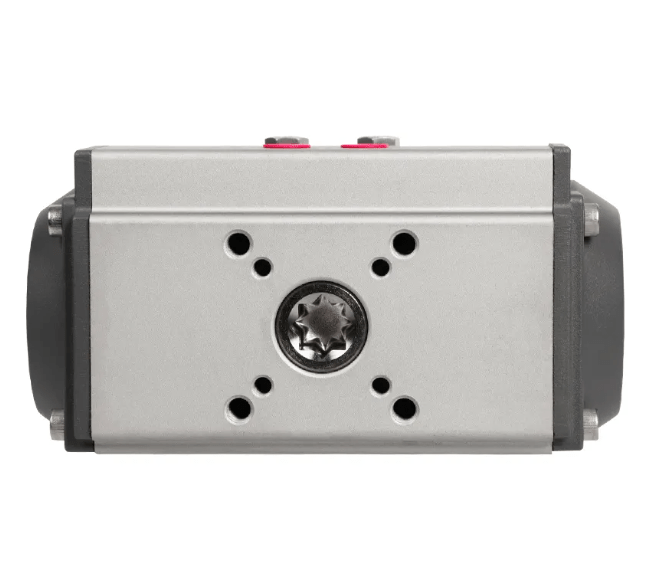
Here’s the bottom line: a well-chosen pneumatic valve runs for millions of cycles without fuss. No overheating, no electromagnetic interference. Just steady, predictable performance. If you’re tired of replacing solenoids or cleaning sticky pilot valves, give pneumatic control a try. It’s one of those things that “just works” once you set it up right. #pneumatic valve #valve
Need a specific size or configuration? Always refer to the manufacturer’s certified datasheet for exact specs.
Tex/Fax: 0086-577-62840011
WhatsApp: 0086-13355775769