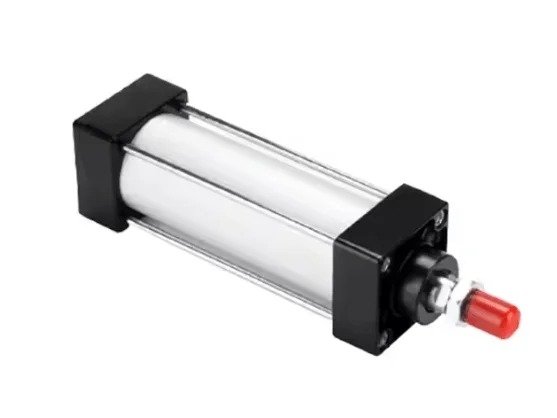
Cylinder Working Performance Guide | Reliable Pneumatic Solutions.
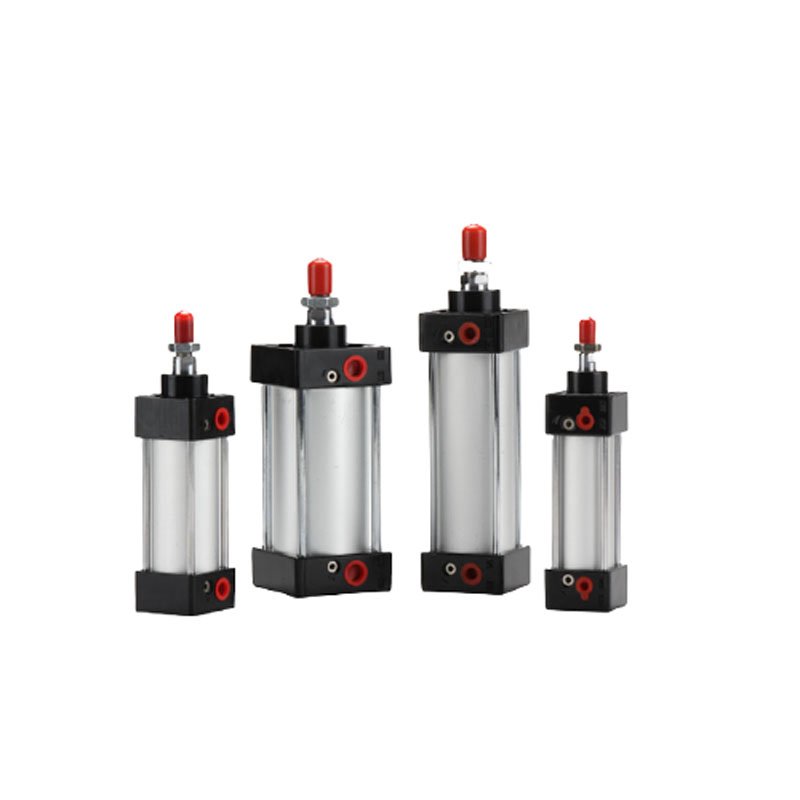
Learn how cylinder working performance affects speed, stability, and system life. Practical tips to choose better pneumatic cylinders for your machines.
Want to learn more about our products? Click here!
Why Cylinder Working Performance Directly Impacts Your Equipment
Let’s be honest — when your pneumatic cylinder slows down or gets stuck, your whole production line suffers. That’s why cylinders working performance isn’t just a spec sheet number. It’s about how reliably your machine runs every single shift.
A well-performing cylinder moves smoothly, responds quickly, and holds force without leaking. On the flip side, poor performance shows up as jerky motion, weak thrust, or inconsistent cycling. These issues waste time and drive up maintenance costs. So if you want your automated systems to stay productive, focusing on cylinders working performance from the start is a smart move.
Three Real-World Signs of Strong Cylinder Working Performance
You don’t need complicated tools to spot good performance. Just watch how the cylinder behaves on the job.
First, speed consistency. A quality cylinder keeps its stroke speed steady under normal load changes. No sudden slowing or jumping. Second, sealing integrity. When the cylinder holds pressure without hissing or dropping force, that tells you the internal seals and piston are in good shape. Third, smooth direction changes. For double-acting cylinders, the transition between extension and retraction should feel crisp, not spongy.
These three signs make cylinders working performance easy to evaluate — even during a quick walk-around check on your shop floor.

How to Protect and Improve Cylinder Working Performance
Good performance doesn’t happen by accident. You need clean, dry air and proper lubrication. Start with a well-maintained air preparation unit — filter, regulator, and lubricator. Dirty air ruins cylinder performance faster than almost anything else.
Also, don’t oversize or undersize your cylinder. An oversized cylinder wastes air and slows response. An undersized one struggles to move the load, overheating and wearing out seals early. Match the bore size and stroke length to your actual load and speed needs. That simple step dramatically improves working performance over the long run.
Finally, check rod alignment. A misaligned piston rod creates side loads that kill cylinder life. Use a floating coupler or proper mounting brackets to keep everything straight.
Get More Reliable Cylinder Working Performance for Your Machines
At the end of the day, strong cylinders working performance means less downtime and more consistent output. Whether you’re building a new automation line or upgrading an old one, pay attention to speed, sealing, and alignment. And always start with quality pneumatic components.

For better cylinder performance tailored to your specific application, talk to an experienced supplier. A small investment in the right cylinder saves you hours of troubleshooting later. #Cylinder #cylinder working performance
Tex/Fax: 0086-577-62840011
WhatsApp: 0086-13355775769