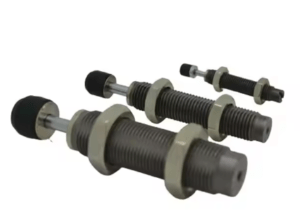
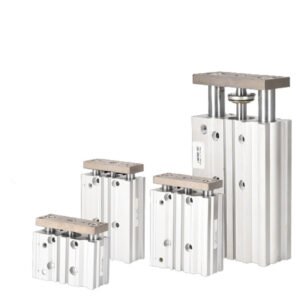
Practical Guide to Air Cylinders – Power & Performance.
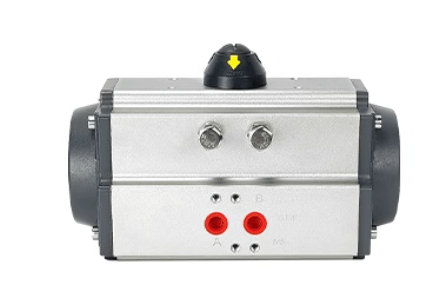
Discover howPractical Guide to Air Cylinders work. Learn about their key types, durable construction, and how to select the right pneumatic cylinder for your application.
Want to learn more about our products? Click here!
What is a Pneumatic Cylinder?
Let’s break it down. A Practical Guide Air Cylinders , often called an air cylinder, is a mechanical device that uses the power of compressed gas to create a force in a reciprocating linear motion. Think of it as the muscle of your machinery. In simple terms, compressed air enters the cylinder, pushing a piston inside a bore, which then extends or retracts a rod. This rod can push, pull, lift, clamp, or eject—making it one of the most versatile and widely used components in automation. You’ll find these workhorses in countless applications, from packaging and assembly lines to automotive manufacturing and material handling. They offer a clean, cost-effective, and reliable solution for linear motion tasks.
Common Types and Their Uses
Not every job requires the same tool, and the same goes for air cylinders. The two most common designs you’ll encounter are single-acting and double-acting cylinders. A single-acting cylinder uses air pressure to move the piston in one direction, and a spring returns it to the original position. People often choose this type for simpler, compact tasks like clamping or ejection. On the other hand, a double-acting cylinder uses compressed air to power both the extend and retract strokes. This design provides more control and force in both directions, making it ideal for applications like lifting or precise positioning. Understanding this basic difference helps you select the right pneumatic actuator for your specific needs.
Built to Last: Key Features for Reliability
A high-quality industrial air cylinder is built with durability in mind. Manufacturers design them to withstand millions of cycles in tough factory environments. The cylinder body, or barrel, is typically made from materials like hardened aluminum or stainless steel to resist corrosion and wear. Meanwhile, the piston rod often features chrome-plated steel for a smooth, durable sealing surface. Furthermore, integrated cushioning at the ends of the stroke is a common feature that absorbs the piston’s impact. This cushioning significantly reduces noise, minimizes vibration, and prevents damage, which ultimately extends the service life of the entire unit.
Choosing the Right Cylinder for Your Job
So, how do you pick the best air cylinder for your application? You need to consider a few key factors. First, determine the required force, which depends on your air pressure and the cylinder’s bore size. Next, consider the stroke length—the distance the piston rod needs to travel. Also, think about the mounting style; options like foot, flange, or clevis mounts ensure the cylinder integrates securely into your machine. Finally, always consider the operational environment. For example, you might need special seals for high-temperature conditions or stainless-steel construction for washdown areas. Taking these steps ensures you select a cylinder that delivers optimal performance and longevity.
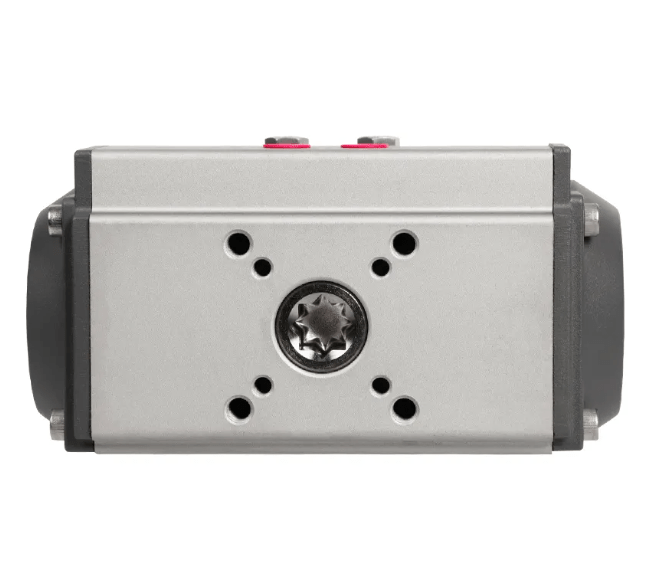
Conclusion: The Backbone of Modern Automation
In summary, the humble air cylinder remains a fundamental component in industrial automation. Its simple principle, robust construction, and versatile functionality make it an indispensable tool for engineers and machine builders worldwide. By understanding its operation, types, and key selection criteria, you can make an informed decision that boosts your equipment’s efficiency and reliability. When you integrate the right pneumatic cylinder into your design, you’re investing in a proven solution that keeps your operations moving smoothly.
Tex/Fax: 0086-577-62840011
WhatsApp: 0086-13355775769
#Practical Guide to Air Cylinders