Optimizing pneumatic system for Peak Performance.
Discover how modern pneumatic system improve industrial efficiency. Learn key components, maintenance tips, and ways to maximize performance in your operations.
Want to learn more about our products? Click here!
Why Pneumatic Systems Still Power Modern Industry
If you walk through almost any manufacturing plant or automation facility, chances are you’ll hear the familiar whoosh of compressed air hard at work. Pneumatic systems remain a go-to choice for engineers and plant managers because they’re reliable, cost-effective, and surprisingly straightforward to maintain. Unlike complex hydraulic setups, pneumatics use clean, readily available air to get the job done—making them a favorite in industries ranging from packaging to automotive assembly. The real beauty? When designed and maintained well, they deliver consistent force and speed without demanding constant babysitting.
Key Components That Make a Difference
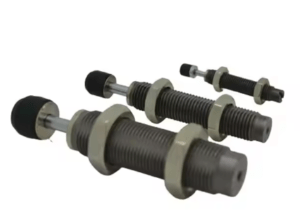
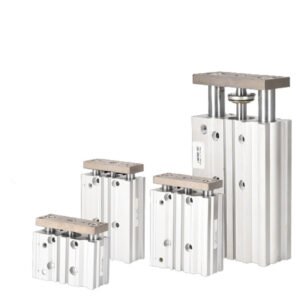
A dependable pneumatic system isn’t just about an air compressor—it’s the sum of well-matched parts. Think actuators, valves, fittings, and filters working together seamlessly. Quality valves control the flow and direction of compressed air with precision, while actuators turn that energy into smooth linear or rotary motion. What often gets overlooked? Air preparation units. A good filter-regulator-lubricator combo removes moisture, stabilizes pressure, and keeps internal parts from wearing out too soon. Skimp here, and you’ll see more downtime and shorter component life. Invest wisely, and your equipment runs cleaner, longer, and with fewer surprises.
Simple Maintenance That Saves Big
Let’s be honest—no one loves scheduled maintenance, but with pneumatics, a little attention goes a long way. Most performance issues trace back to leaks, dirty filters, or improperly set regulators. The good news is these are easy to spot and fix. A quick walk-through with an ultrasonic leak detector often reveals tiny leaks that, when sealed, cut energy costs noticeably. Swapping out filter elements on schedule and keeping lubricators topped up also prevents the kind of wear that leads to unexpected line stops. Think of it as low-effort, high-return work that keeps your pneumatic system humming.
Matching the System to the Application
Not all pneumatics are created equal, and the right setup depends entirely on what you’re asking it to do. Light-duty pick-and-place operations don’t need the same specs as heavy clamping or pressing applications. The key is sizing components correctly—undersized valves or undersized tubing can turn a responsive system into a sluggish one. Beyond that, consider the environment. High-heat or washdown areas call for specialty seals and corrosion-resistant materials. When components are matched thoughtfully to the job, you get smoother motion, better cycle times, and less wear on the equipment.
Getting More From What You Already Have
Even if your pneumatic system has been in place for years, there’s often room to improve. Upgrading to energy-saving valves, adding soft-start valves to reduce shock, or integrating simple sensors for feedback can modernize performance without a full overhaul. Many facilities find that pairing pneumatics with basic automation controls—like programmable logic controllers—unlocks better sequencing and diagnostics. The goal isn’t always new equipment; sometimes it’s about smarter use of what’s already there.
Wrapping Up
Pneumatics earned their place on the factory floor for good reason: they’re durable, easy to understand, and get the job done without fuss. Whether you’re setting up a new line or looking to improve an existing pneumatic system, focusing on component quality, regular maintenance, and proper sizing will pay off in reliability and lower operating costs. After all, when your air system runs right, the rest of your operation tends to follow. #pneumatic system
Tex/Fax: 0086-577-62840011
WhatsApp: 0086-13355775769