pneumatics in manufacturing | Impact & Benefits.
Explore how pneumatics in industry drive efficiency and safety. Learn the key advantages of pneumatic systems for manufacturing and automation.
Want to learn more about our products? Click here!
Why Pneumatics Remain a Cornerstone of Industry
Step into almost any factory floor, and you will see pneumatics in action. From assembly lines to packaging machines, pneumatic systems use compressed air to power tools, actuators, and control devices. The impact of pneumatics on industry is hard to overstate. Why do engineers keep coming back to this technology? For one, compressed air is widely available, clean, and safe to use in environments where electrical sparks pose a risk. Moreover, pneumatic components are known for their simplicity and durability. They handle repetitive tasks with consistent force, making them a natural fit for high-speed production environments.
How Pneumatic Systems Boost Productivity
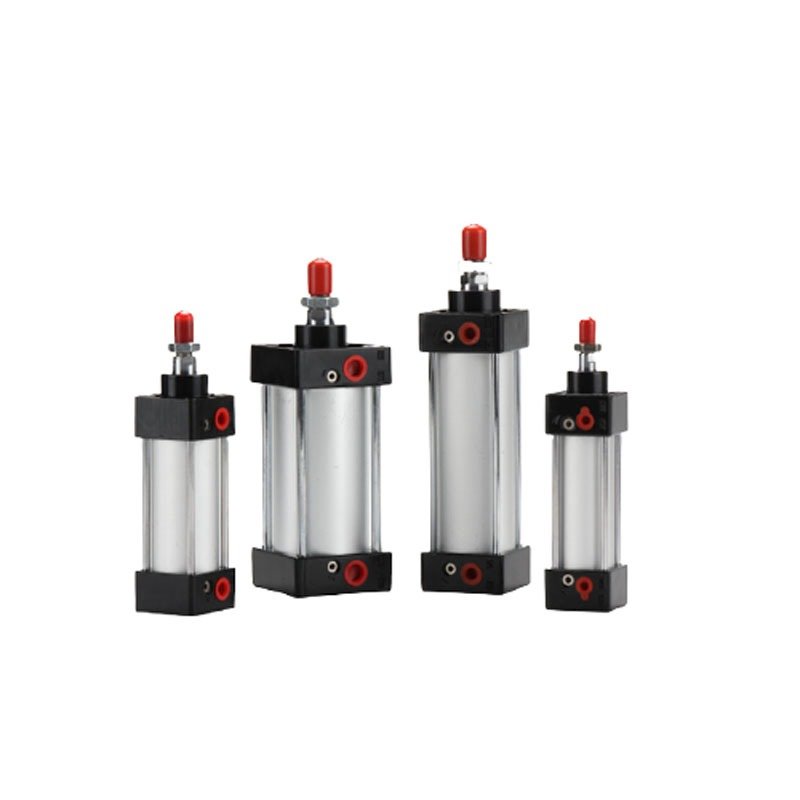
When we talk about industrial pneumatics, we are really talking about reliability and speed. These systems respond quickly to control signals, giving them an edge in applications requiring fast cycling. Think of a pick-and-place machine or a clamping fixture. The near-instantaneous response of a pneumatic cylinder helps keep cycle times short and output high. Additionally, because pneumatic tools have fewer moving parts than their electric or hydraulic counterparts, they tend to require less maintenance. This uptime advantage translates directly into higher throughput and lower operating costs—a clear win for any production manager.

Safety and Cleanliness in the Workplace
Safety is another area where the industrial impact of pneumatics shines. Unlike hydraulic systems that risk fluid leaks, pneumatic systems use air, which is inherently clean and non-polluting. This makes them ideal for food processing, pharmaceuticals, and electronics manufacturing. Furthermore, pneumatic actuators can stall without overheating, reducing the risk of fire or damage. Overload protection comes naturally since air is compressible. So, if a tool meets resistance, it simply stops rather than forcing through and causing harm. This built-in safety feature gives operators peace of mind and helps facilities maintain strict safety standards.
Flexibility and Cost-Effectiveness
One reason you find pneumatic automation across so many sectors is its remarkable flexibility. You can easily adjust speed and force by regulating air pressure, making a single system adaptable to different tasks. Also, pneumatic components are relatively affordable and widely available. Replacing a cylinder or valve is straightforward and does not require specialized skills. This accessibility keeps maintenance costs low and reduces downtime. In short, industrial pneumatics offer a practical balance of performance, cost, and simplicity that is hard to beat.

Future Trends in Pneumatic Technology
Pneumatics is not standing still. Modern pneumatic systems now integrate with sensors, controllers, and the Industrial Internet of Things (IIoT). These smart pneumatics provide real-time data on pressure, flow, and cycle counts. This connectivity allows predictive maintenance and better process optimization. As factories move toward Industry 4.0, pneumatics in manufacturing continues to evolve, combining traditional ruggedness with digital intelligence. The result is a technology that remains relevant and powerful in an increasingly automated world.
Tex/Fax: 0086-577-62840011
WhatsApp: 0086-13355775769