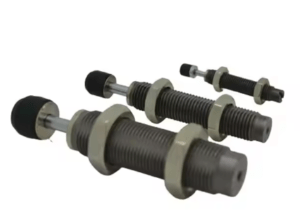
Anti-Vibration Pneumatic Cylinders for Smooth Operation.
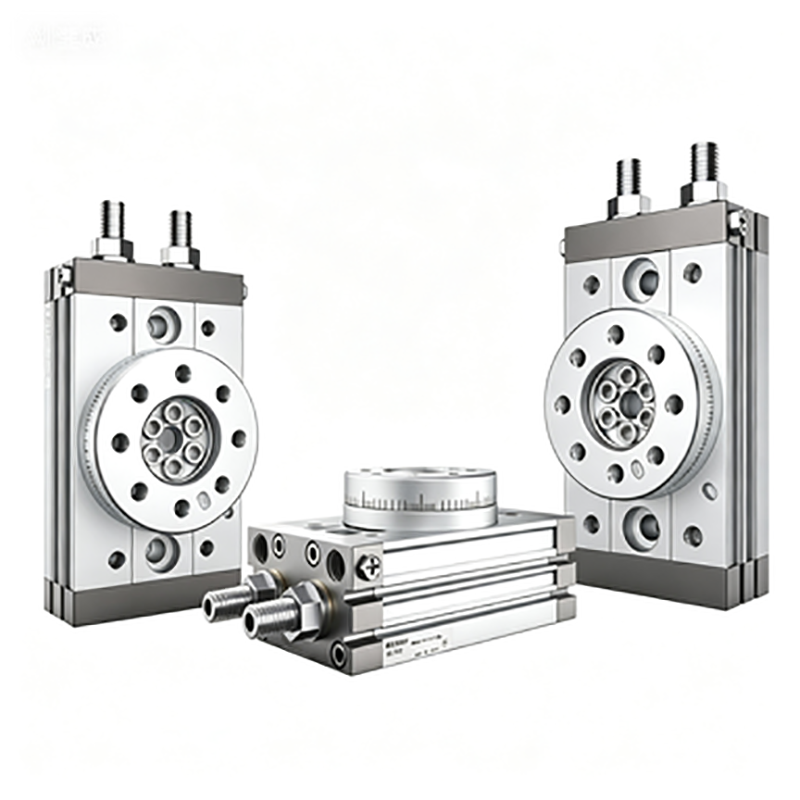
Explore anti-vibration pneumatic cylinders for smooth operation. Learn how air cushioning and guided designs reduce shock and vibration in industrial automation.
Want to learn more about our products? Click here!
Introduction
Anti-vibration pneumatic cylinders are specialized actuators designed to minimize shock and vibration during operation. Standard cylinders often create jarring impacts at the end of stroke, leading to noise, component wear, and reduced precision. Anti-vibration pneumatic cylinders address this through advanced cushioning systems and guided designs. If your application requires smooth, precise motion without disruptive vibration, anti-vibration pneumatic cylinders deliver the performance you need.
How Anti-Vibration Pneumatic Cylinders Work
These cylinders incorporate several features that reduce vibration and shock. Air cushioning systems absorb kinetic energy at the end of stroke, suppressing noise and vibration effectively. For instance, SMC’s MGP-AZ series uses air cushions that absorb nearly three times as much kinetic energy as standard rubber bumpers. Some cylinders feature adaptive air cushioning that automatically adjusts to different load and speed conditions, providing optimal deceleration without manual adjustment. This automatic cushioning reduces vibrations and noise while ensuring consistent performance over time.
Key Design Features
Anti-vibration pneumatic cylinder offer several design features that minimize vibration. First, integrated guide shafts isolate the load bearing from the rod and seals, providing lateral stability and protecting against side load impacts. Second, high precision ball bushings enable smooth operation with stable travel resistance. Third, cushioning systems use shaped sleeves with precisely positioned holes that adapt to different combinations of speed and applied mass. Fourth, many models include adjustable pneumatic cushioning on both sides, allowing customization for specific application requirements. These features work together to ensure smooth, jolt-free movement throughout the entire stroke.
Benefits of Anti-Vibration Cylinders
Anti-vibration pneumatic cylinder deliver several important advantages for industrial applications. First, they reduce wear on mechanical components, extending equipment life and reducing maintenance costs. Second, they minimize noise levels, creating a safer and more comfortable work environment. Third, they improve precision by eliminating vibration that can affect positioning accuracy. Fourth, they reduce product damage by preventing shock-induced shifting or marking of delicate components. Fifth, they enhance reliability by maintaining consistent performance even when operating conditions vary.
Common Applications
Anti-vibration pneumatic cylinder serve many applications where smooth motion is essential across various industries. Packaging machinery relies on them to provide gentle handling of products without impact damage. Railway and transportation equipment also uses these cylinders to withstand shock and vibration while ensuring reliable door operation. Precision assembly benefits from their ability to enable accurate positioning without vibration-induced errors. Textile and printing equipment depends on them to maintain consistent tension and registration throughout operation. Ultimately, any application requiring smooth, controlled motion with minimal vibration can gain significant advantages from anti-vibration pneumatic cylinder.
Selecting the Right Cylinder
Choosing the appropriate anti-vibration pneumatic cylinder requires careful evaluation. First, consider the required bore size and stroke length for your application. Next, evaluate the cushioning type needed—air cushioning provides superior vibration suppression compared to rubber bumpers. Consider whether guided designs are necessary for your load requirements. Also, check the operating pressure range and temperature conditions. Finally, verify that the cylinder includes features such as adjustable cushioning or auto-cushioning for optimal performance under varying conditions.
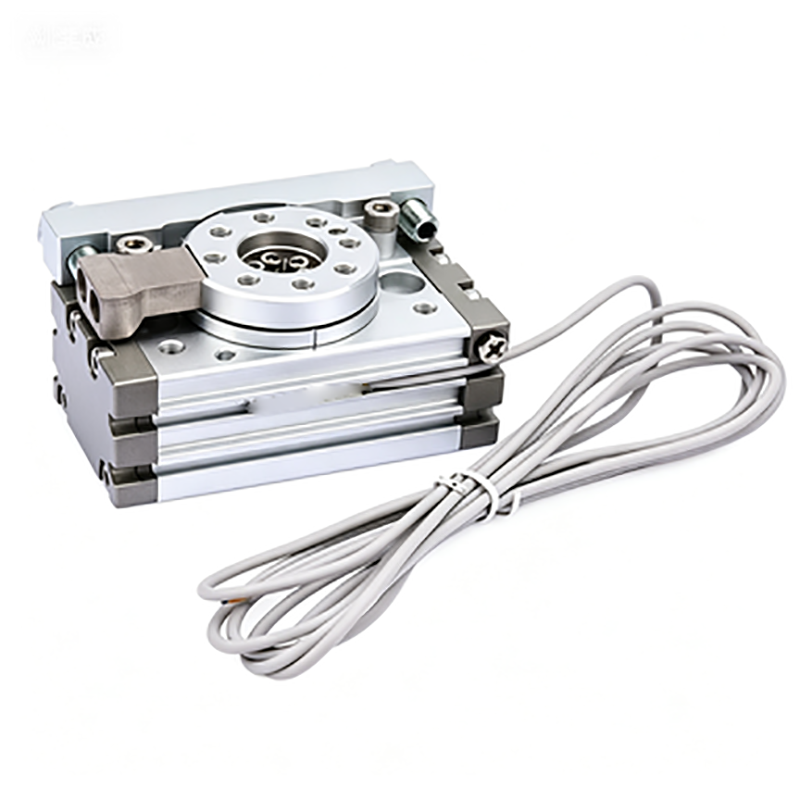
Conclusion
Anti-vibration pneumatic cylinders provide smooth, reliable operation for demanding industrial applications. Their air cushioning systems, guided designs, and advanced materials minimize shock and vibration while extending equipment life. When you need precise, jolt-free motion in your automation system, anti-vibration pneumatic cylinders deliver consistent performance. By selecting the right features for your application, you can achieve smoother operation and improved productivity.
Tex/Fax: 0086-577-62840011
WhatsApp: 0086-13355775769
anti-vibration pneumatic cylinders
smooth operation
air cushioning
guided design
industrial automation
kinetic energy absorption
precision motion
adjustable cushioning
shock reduction
application selection