Anti-Collision Buffers for Sensitive Automation.
Explore anti-collision buffers for sensitive automation. Learn how impact protection devices safeguard sensors and components from unintended collisions.
Want to learn more about our products? Click here!
Introduction
Sensors and precision components are expensive. A single collision can damage a sensor worth hundreds of dollars. Production stops, and you lose valuable time. Anti-collision buffers offer protection. Specifically, they absorb impact energy and prevent direct contact between moving parts. If your automation system uses sensors near moving machinery, anti-collision buffers provide essential protection.
How Anti-Collision Buffers Work
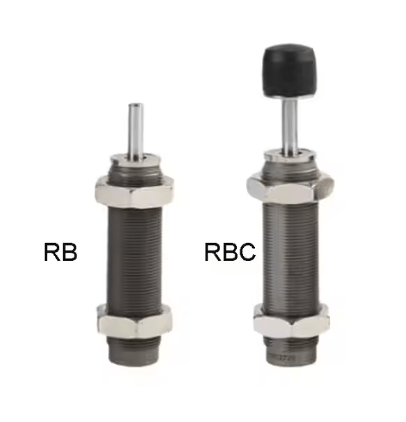
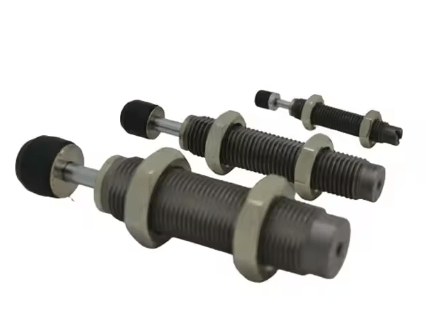
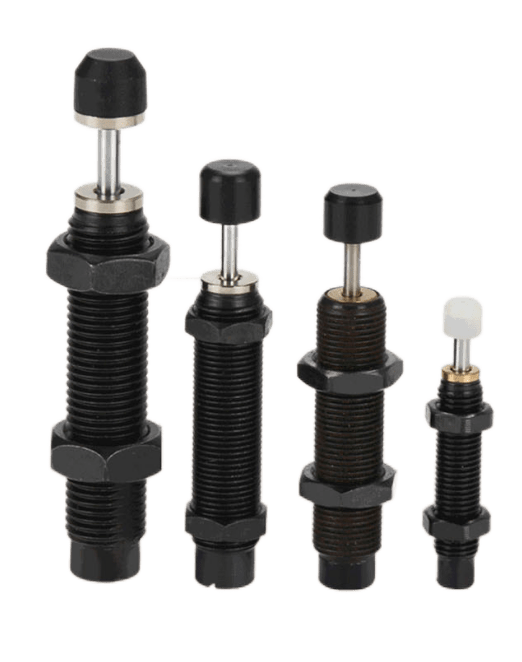
Anti-collision buffer use a spring-loaded mechanism to absorb impact forces. When a moving part contacts the buffer, the spring compresses, absorbing the kinetic energy. This compression prevents the impact force from reaching the sensor or component. Some models feature all-direction sensing. This protects against impacts from any angle. The buffer returns to its original position automatically after the impact. This allows continuous operation without manual resetting. Many buffers include a switch contact that triggers a stop signal upon collision.
Key Features and Benefits
Anti-collision buffer incorporate several features for reliable protection. First, they offer adjustable stroke settings. You can fine-tune the protection distance. Second, they provide high-impact resistance. The spring mechanism absorbs energy without damage. Third, all-direction sensing covers impacts from any angle. Fourth, the housing protects against welding spatter, oil, and coolant. Fifth, they allow rapid reset times from 0.5 to 2 seconds.
Common Applications
Anti-collision buffer serve many automation applications. Robotic welding operations rely on them to protect sensitive sensors from accidental torch contact. In pick-and-place systems, these buffers play a key role in preventing collisions between grippers and fixtures. Packaging equipment also benefits from them by safeguarding sensors from product impacts. CNC machining operations use them to protect valuable tool probes from damage. Material handling systems depend on them to prevent cart collisions in busy production environments. Ultimately, any application with moving parts near sensitive components can benefit from anti-collision buffer.
Conclusion
Anti-collision buffer provide essential protection for sensitive automation components. Their spring-loaded mechanism absorbs impact energy, preventing damage to sensors and equipment. By selecting the right buffer for your application, you can reduce downtime and extend the life of your automation components.
Tex/Fax: 0086-577-62840011
WhatsApp: 0086-13355775769
anti-collision buffers
sensitive automation
impact protection
robotic welding
sensor protection
spring-loaded
all-direction
pick-and-place
automation systems
reset time