How Pneumatic Cylinders Work in Automation | Key Benefits & Uses.

Learn how pneumatic cylinders work and why they are essential in automation. Discover their key benefits and common applications in modern industry.
Want to learn more about our products? Click here!
What Exactly Is a Pneumatic Cylinder?
At its core, a pneumatic cylinder is a simple yet brilliant device. It takes compressed air and turns it into mechanical motion. Think of it as the muscle behind many automated systems—it pushes, pulls, lifts, and clamps with consistent force.
The basic principle is straightforward. Compressed air enters the cylinder through a port, pushing a piston inside. That piston connects to a rod, and that rod does the actual work. When the air pressure changes direction, the piston moves back. This back-and-forth movement, known as linear motion, powers countless industrial processes every day. Understanding how pneumatic cylinders work helps you see why they are such a popular choice for factory automation.
Why Choose Pneumatic Cylinders Over Other Options?
You might wonder—why use air instead of electricity or hydraulics? The answer comes down to simplicity and reliability. Pneumatic systems use air, which is clean and freely available. Unlike hydraulic oil, air won’t create a mess if it leaks. Unlike electric actuators, pneumatic cylinders can handle tough environments without overheating or shorting out.
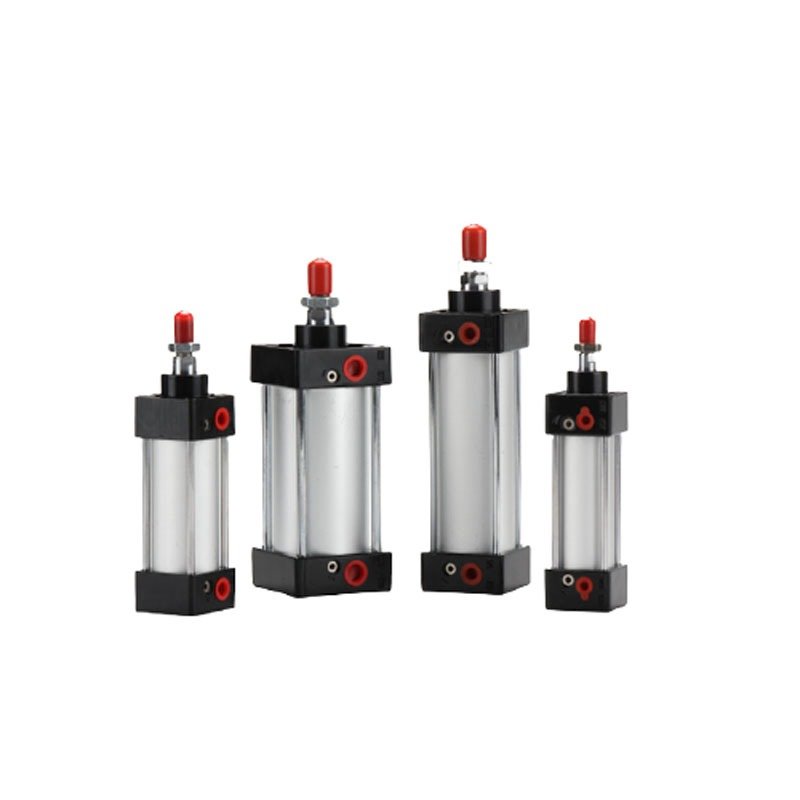
These cylinders are also incredibly fast. They respond almost instantly to control signals, making them ideal for applications that need rapid cycling. Plus, they are easy to maintain. With fewer moving parts than many other systems, you spend less time on repairs and more time running production. That is why how pneumatic cylinders work matters—it’s about getting reliable, repeatable performance without unnecessary complexity.
Where Do You See Pneumatic Cylinders in Action?
Walk through any modern factory, and you will find pneumatic cylinders everywhere. They assemble electronics, package food, stamp metal parts, and sort packages in warehouses. In automotive plants, they clamp components for welding. In pharmaceutical lines, they handle delicate products with precise force control.
Their versatility stands out. You can adjust the speed, force, and stroke length to match almost any task. Need a gentle push for fragile glassware? No problem. Need a powerful shove for heavy materials? Pneumatic cylinders deliver. And because they operate cleanly, you will find them in food processing and medical device manufacturing as well. Knowing how pneumatic cylinders work gives you the confidence to apply them in the right places.
Key Features That Set Quality Cylinders Apart
Not all pneumatic cylinders are built the same. High-quality designs offer features that boost performance and longevity. Look for cylinders with durable seals that prevent air leaks and maintain pressure. Consider options with adjustable cushioning, which reduces impact at the end of the stroke and extends service life.
Material selection also matters. Stainless steel cylinders resist corrosion in washdown environments. Aluminum cylinders offer lightweight performance for high-speed applications. Some designs include magnetic pistons that allow non-contact position sensing, giving you smarter control. When you understand how pneumatic cylinders work, you can choose the right features for your specific needs.
Making the Right Choice for Your Application
Selecting the right pneumatic cylinder comes down to matching your requirements. Consider the load weight, required speed, available air pressure, and environmental conditions. Think about stroke length—how far does the rod need to travel? Factor in mounting options—will you mount it vertically, horizontally, or at an angle?
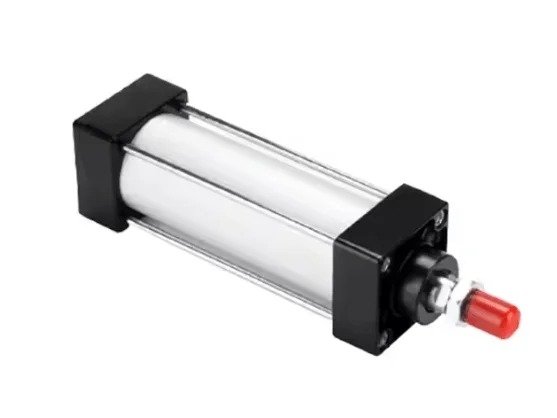
We recommend starting with a clear picture of your application. If you are unsure, consult with a knowledgeable supplier who can guide you through the selection process. The right cylinder boosts productivity, reduces downtime, and improves safety. Once you grasp how pneumatic cylinders work, you will see why they remain a cornerstone of industrial automation worldwide.
Tex/Fax: 0086-577-62840011
WhatsApp: 0086-13355775769