Pneumatic Cylinder Models Explained Simply
Looking for reliable pneumatic cylinder models? This guide covers key types, performance traits, and how to pick the right one for your system.
Want to learn more about our products? Click here!
1. Why Pneumatic Cylinder Models Matter for Your Automation
You don’t need a complex engineering degree to understand pneumatic cylinder models. In fact, most systems run smoothly once you match the right cylinder to your job. Whether you’re lifting, pushing, clamping, or rotating, these components turn compressed air into motion.
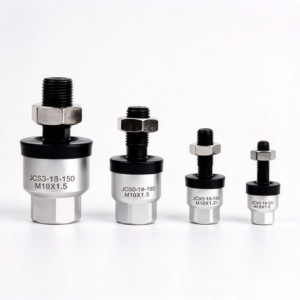
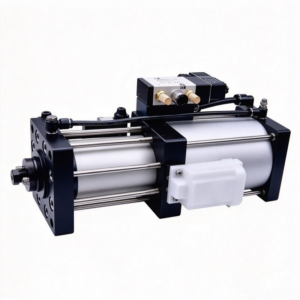
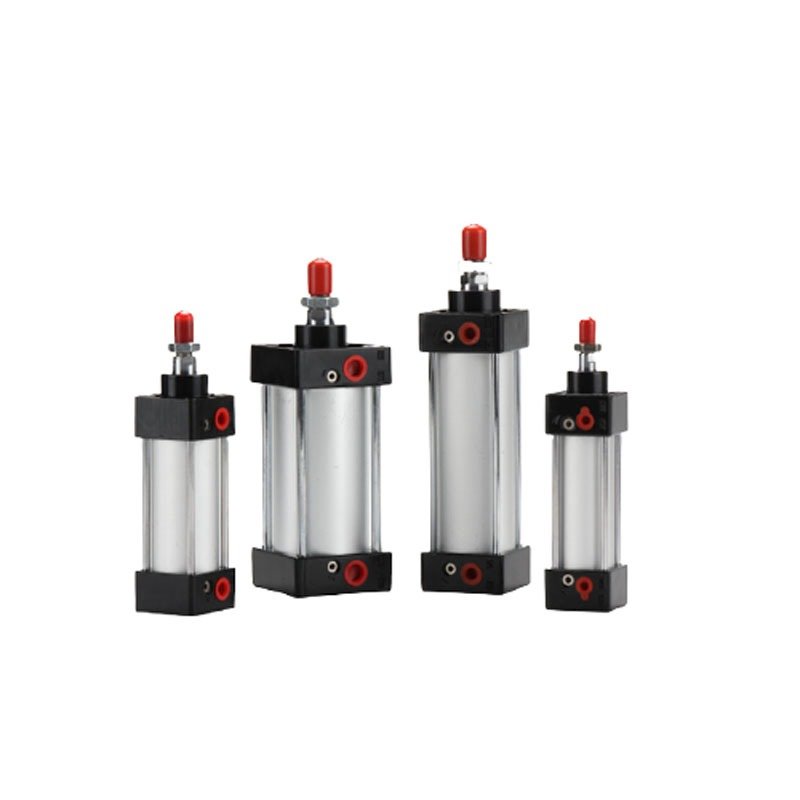
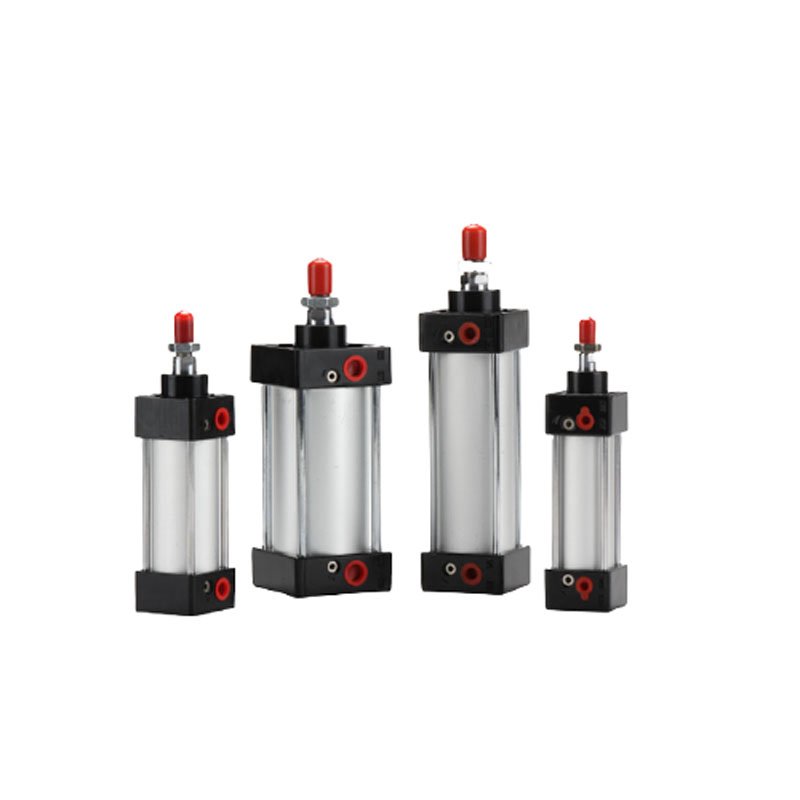
Take the tie-rod cylinder, for example. It’s built tough for heavy-duty factory work. You’ll see it in assembly lines and packaging machines because it’s easy to repair and highly reliable. Then there’s the round body cylinder—smaller, lighter, and perfect for tight spaces. Think pick-and-place units or medical devices. Each pneumatic cylinder model serves a unique purpose, so knowing the difference saves you time and money.
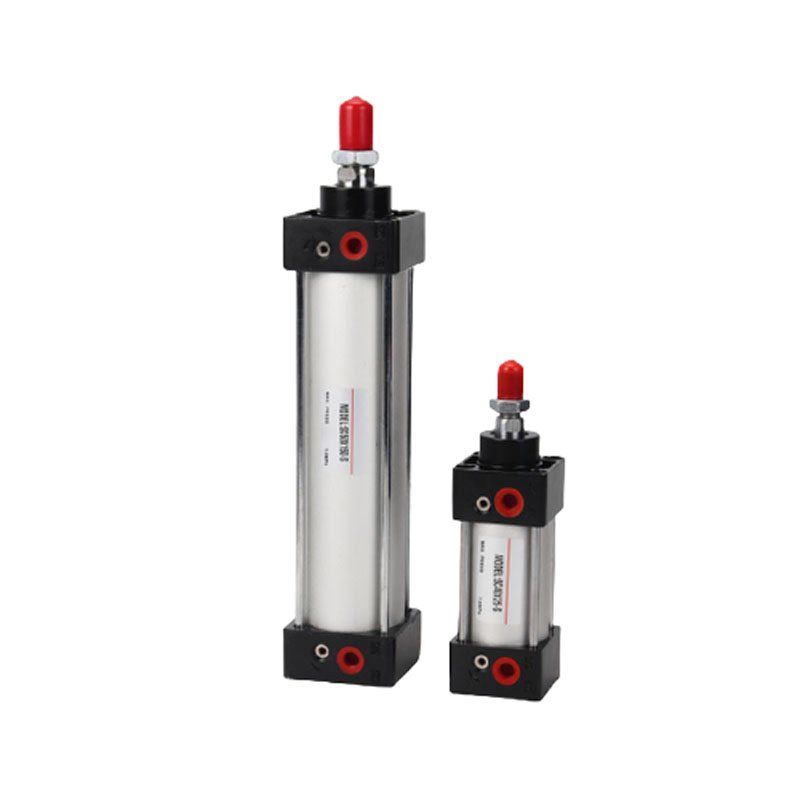
2. Performance You Can Count On
Let’s talk real-world performance. A good pneumatic cylinder model offers smooth motion with minimal maintenance. Most use aluminum, stainless steel, or composite materials. That means they resist corrosion and handle high cycles day after day.
Bore sizes typically range from 8mm to 320mm, depending on the model. Stroke length varies too—from short, fast strokes to longer, slower movements. You also get mounting options like nose, foot, or flange mounts. So no matter your setup, there’s a pneumatic cylinder ready to fit right in. Plus, many modern models include magnetic pistons for position sensing, which helps you control your system without extra switches.
3. How to Choose the Right Pneumatic Cylinder Model
Here’s where most people overthink it. Start with three simple questions:
- How much force do you need?
- How fast should the cylinder move?
- What’s your operating environment like?
If you need high force in a wet or dusty area, go with a stainless steel or sealed pneumatic cylinder model. For clean, dry indoor use, an aluminum tie-rod or round body cylinder works great. Always check the pressure range too—most standard models run between 30 and 150 PSI.
And don’t ignore the cushioning. Internal cushions at the end of the stroke reduce noise and shock. That extends the life of your whole machine. So take five minutes to match your application with the right pneumatic cylinder model. Your equipment will thank you.

4. Final Thoughts on Getting It Right
You don’t need every pneumatic cylinder model in the catalog. You just need the one that fits your motion, load, and environment. Start with the basics: tie-rod for heavy-duty, round body for compact spaces, and guided cylinders for jobs that need anti-rotation. Most manufacturers offer detailed spec sheets online—use them. And when in doubt, test a sample unit first. That small step prevents big headaches down the road.
Tex/Fax: 0086-577-62840011
WhatsApp: 0086-13355775769
#pneumatic cylinder models #pneumatic cylinder