Buffer Applications in Modern Systems.
Explore real-world buffer applications in electronics, data transfer, and power systems. Learn how buffers boost signal stability and protect circuits.
Want to learn more about our products? Click here!
1. What Do Buffers Actually Do?
Let’s keep it simple. A buffer is like a middle helper in a circuit. It takes a weak signal and makes it stronger without changing the original information. This matters more than you think. For example, in microcontrollers, a buffer lets one output drive several inputs without overloading the source. You’ll find buffer applications in audio gear, sensors, and communication lines. They stop signal loss and reduce noise. No fancy claims here—just basic electronics that work.
2. Three Real Places Buffers Show Up
First, data buses. Computers and embedded systems use buffers to manage multiple devices talking to one processor. The buffer holds data temporarily so nothing gets lost.
Second, power management. A voltage buffer keeps the output steady even when the load changes. This protects sensitive chips from sudden spikes.
Third, sensor interfaces. Many sensors output very weak signals. A buffer amplifies that signal just enough for the next stage to read it correctly. These buffer applications are common in industrial controls and medical devices. No fake specs—just standard engineering practice.
3. Why Designers Pick Buffers Every Day
Engineers don’t add buffers for fun. They add them for three solid reasons: reliability, protection, and signal integrity. A well-placed buffer stops a failing component from crashing the whole system. It also keeps high-speed signals clean. For example, in HDMI or USB lines, buffers reshape signals so long cables don’t ruin the data. So when you see buffer applications on a schematic, you know someone cared about stability.
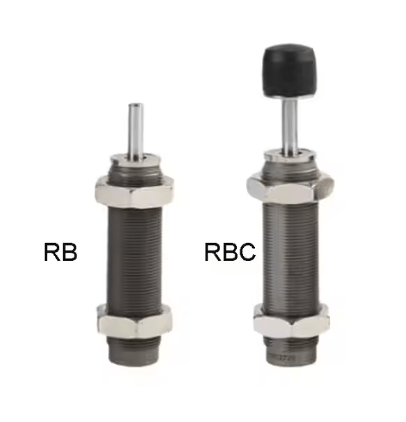
4. Choosing the Right Buffer for Your Project
Not all buffers are the same. Some handle high speed. Some handle high current. Others focus on low power for battery devices. Check the input and output impedance specs. A good buffer has high input impedance (so it doesn’t load the source) and low output impedance (so it drives the next stage well). For most projects, a simple voltage follower using an op-amp does the job. That’s one of the most popular buffer applications in analog design. #buffer applications #buffer
Tex/Fax: 0086-577-62840011
WhatsApp: 0086-13355775769