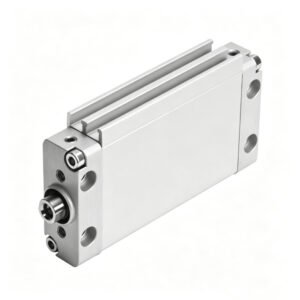
What Are Air Cylinder Guide and How Do They Work?
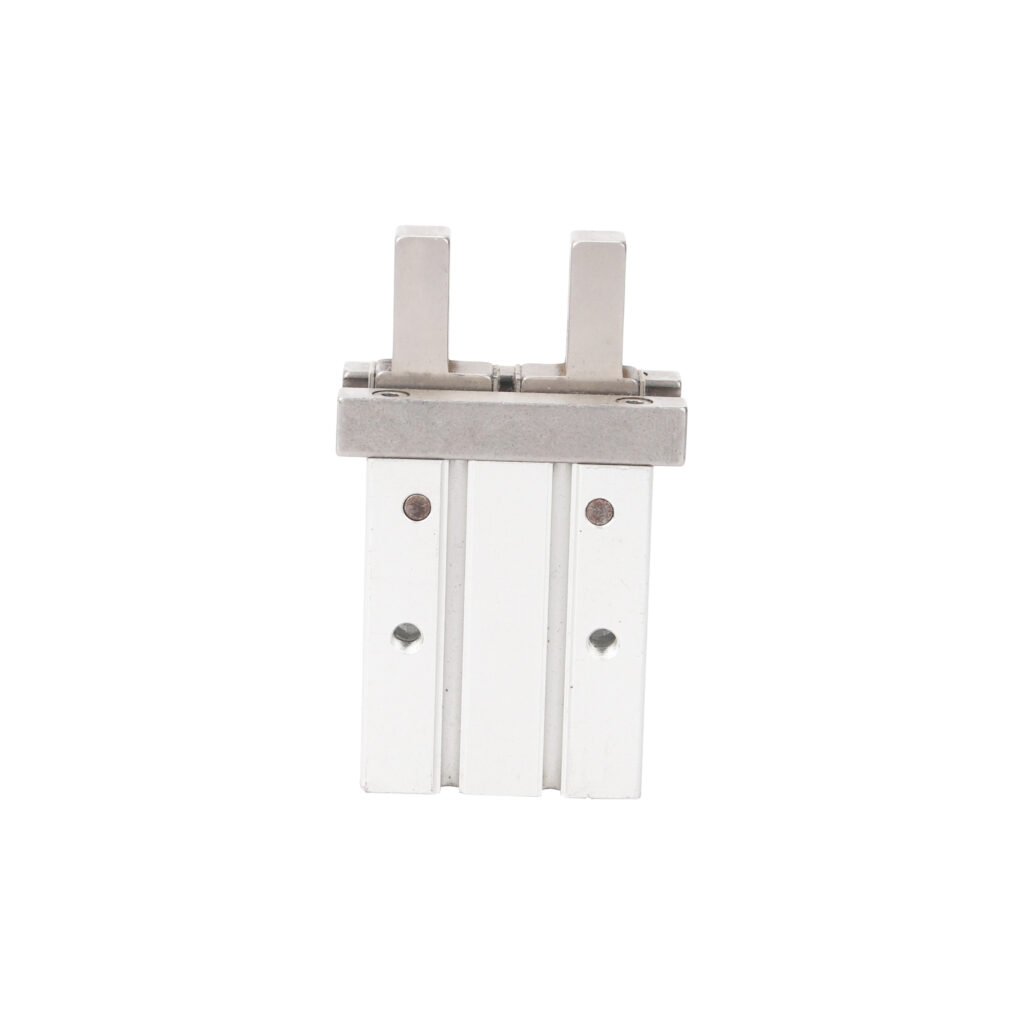
Discover what air cylinder Guide are, how they work, their key types, and practical applications. Learn how to select the right pneumatic cylinder for your needs.
Want to learn more about our products? Click here!
What Are Air Cylinders and How Do They Work?
Have you ever wondered what powers the automated movements in factories or even some of the tools in your garage? Chances are, an air cylinder is doing the heavy lifting. These devices are the muscle behind countless machines, providing simple, reliable, and powerful linear motion. In this guide, we’ll break down the basics of pneumatic cylinders, explore how they function, and highlight why they’re a top choice for engineers worldwide.
The Simple Power of Compressed Air
So, how does an air cylinder actually work? The principle is straightforward. At its core, a pneumatic cylinder is a sealed tube with a piston inside. When you introduce compressed air into one side of the tube, it pushes the piston. This movement then extends or retracts a rod connected to the piston. By controlling which side of the cylinder receives air, you can precisely move the rod back and forth. This clean, responsive motion makes air cylinders perfect for tasks like pushing, pulling, lifting, and clamping in automated systems.
Key Types and Their Common Uses
Not all jobs are the same, so engineers have developed different air cylinder designs. The two most common types are single-acting and double-acting cylinders. A single-acting cylinder uses air pressure to move the piston in one direction, while a spring returns it. People often use these for simpler, low-cost applications like ejection or stamping. On the other hand, a double-acting cylinder uses compressed air to power both the extend and retract strokes. This design offers more control and force in both directions, making it ideal for robotics, packaging machinery, and material handling.
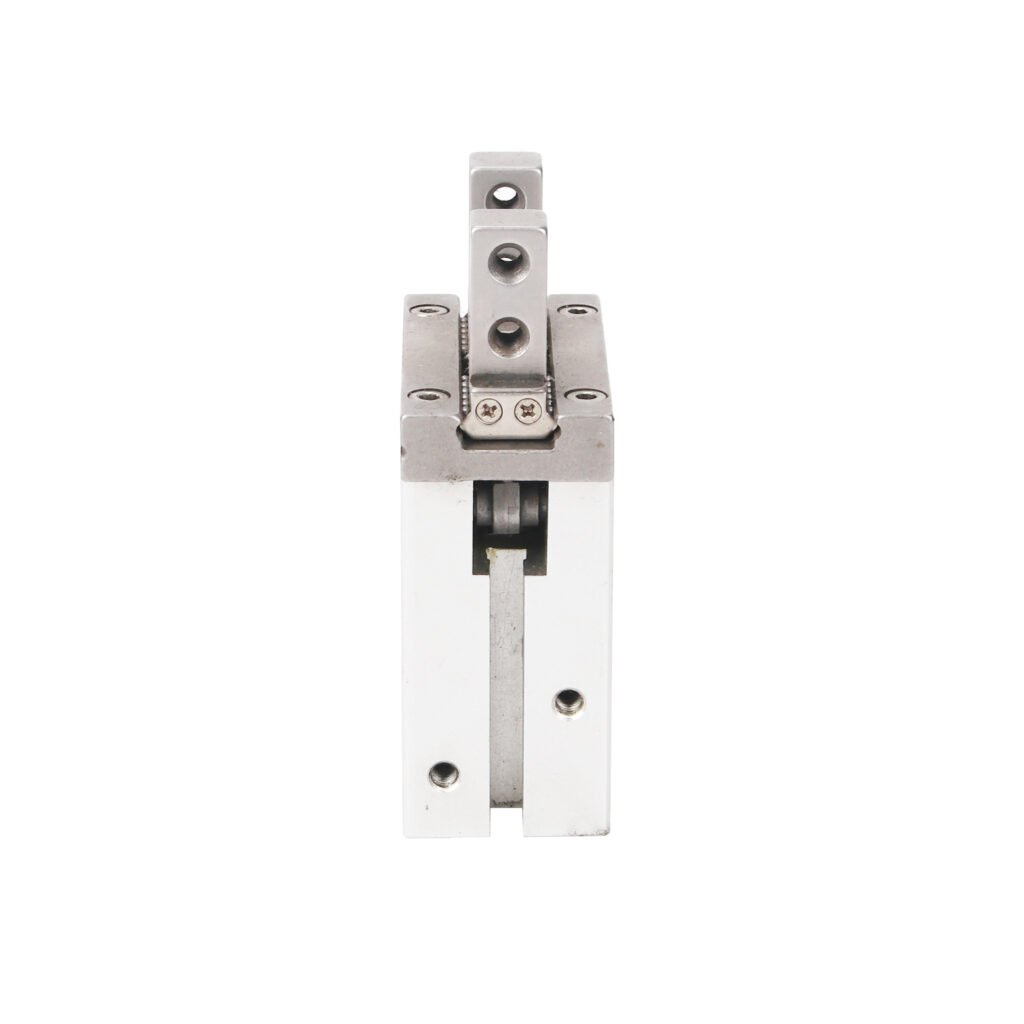
Why Choose Pneumatic Cylinders for Your Project?
What makes pneumatic cylinders such a popular option? First, they offer excellent value. Their simple design typically means a lower initial cost and easier maintenance compared to other actuators. Second, they are incredibly safe and clean. Because they run on compressed air, there’s no risk of fluid leaks that can cause contamination or slip hazards—a major plus in food processing or pharmaceutical settings. Furthermore, they provide high-speed operation and can generate substantial force, reliably performing millions of cycles.
Selecting the Right Cylinder for Your Application
Choosing the correct air cylinder ensures your machine runs smoothly and lasts longer. You’ll want to consider a few key factors. Start by determining the required force; this depends on your operating air pressure and the cylinder’s bore size. Next, think about the necessary stroke length—how far the rod needs to travel. Also, consider the mounting style, as it must fit your machine’s design. Finally, for harsh environments, look for cylinders with features like corrosion-resistant rods or special seals. Taking the time to match the cylinder to your specific needs will pay off with better performance and reliability.
Conclusion
From assembly lines to automated doors, air cylinders provide the dependable, efficient motion that modern industry relies on. Their simple operation, versatility, and cost-effectiveness make them a fundamental component in automation. By understanding the basic types and selection criteria for pneumatic cylinders, you can make informed decisions that enhance your equipment’s functionality. Ready to integrate this powerful technology into your next project? Exploring the right air cylinder is a solid first step toward smarter, more efficient automation.
Tex/Fax: 0086-577-62840011
WhatsApp: 0086-13355775769
#Air Cylinder Guide